From Bangladesh to the USA — The International Student Journey
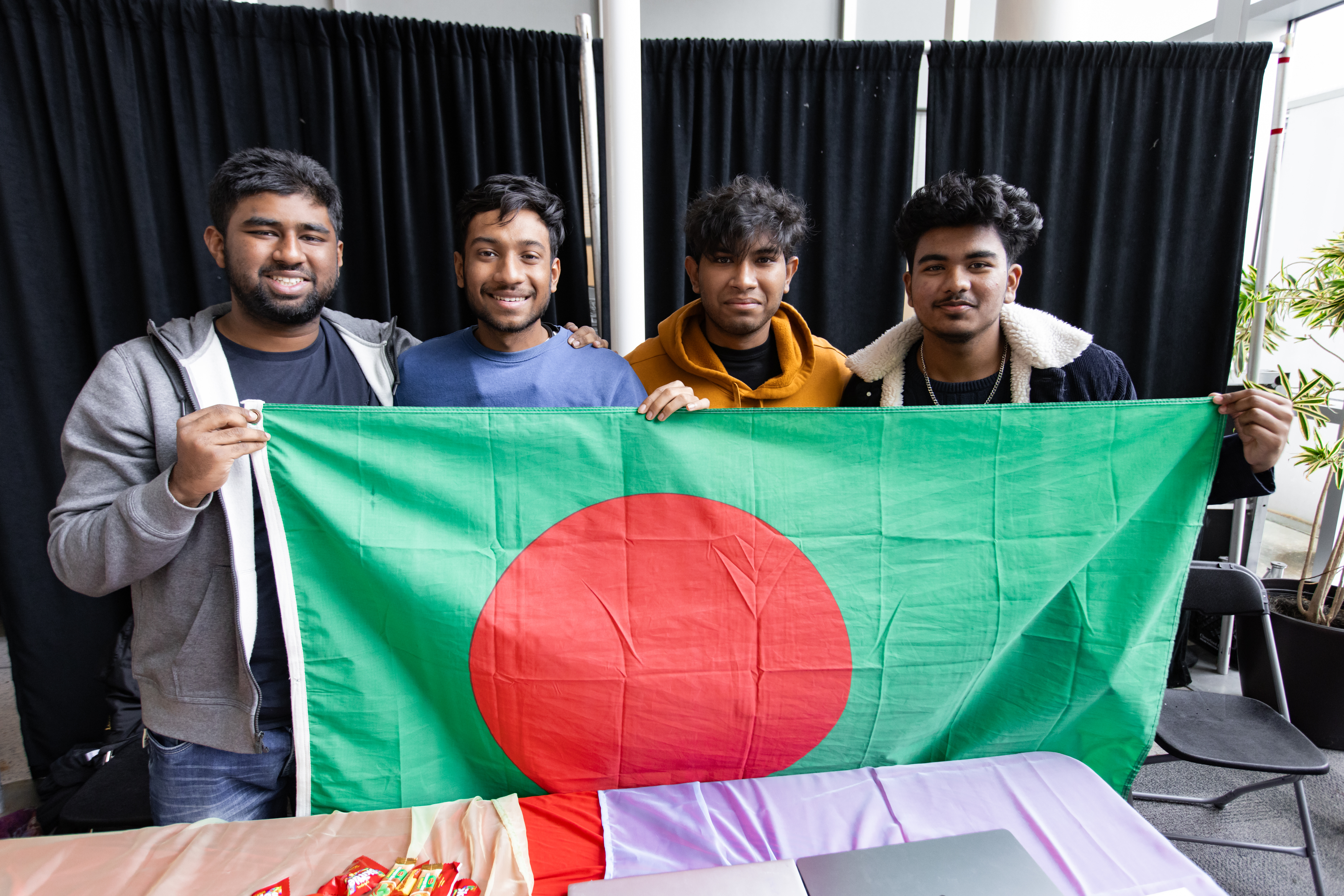 Carrying home with us — the Bangladesh flag at a campus international event.
This is the arc that every other blog here branches off of. Getting from Dhaka to a US campus is not one decision — it's a two-year sequence of them, and each step gates the next. Here's the whole map, in the order you actually live it.
 Not a leap — a climb. Each landing (decision, tests, I-20, visa, status) has to hold before the next one exists.
Phase 1 — Deciding and shortlisting (18–24 months out)
The mistake is starting with "which university." Start with fit and money. For most Bangladeshi students the binding constraint is funding, so build the list around assistantships, scholarships, and low cost of attendance — not rankings. Look at the total sticker (tuition + living) against what you can actually cover: family savings, scholarships, and on-campus work.
- Undergrad: need-blind vs need-aware matters enormously. A handful of US schools meet full need for internationals — those are worth the reach applications.
- Grad (MS/PhD): chase funded admits. A PhD should almost always be fully funded (tuition waiver + stipend). A funded MS is rarer but exists via RA/TA.
Phase 2 — Tests and applications (12–18 months out)
- English: IELTS or TOEFL (Duolingo is now accepted by many schools too).
- GRE: still required by some programs, waived by many post-2020. Check per program.
- The application: transcripts, SOP, LORs, CV. For Bangladeshi applicants, get your transcripts and mark sheets ready early — university offices are slow.
- Apply to a balanced list: reach / match / safety, and always include at least one affordable safety you'd genuinely attend.
Phase 3 — Admit → I-20 → visa (6–9 months out)
This is where the immigration machine starts. Once you accept an admit and prove funds, the school issues an I-20. That unlocks the F-1 visa process — SEVIS fee, DS-160, and the embassy interview at the US Embassy in Dhaka. This step deserves its own blog; see F1 Student Journey.
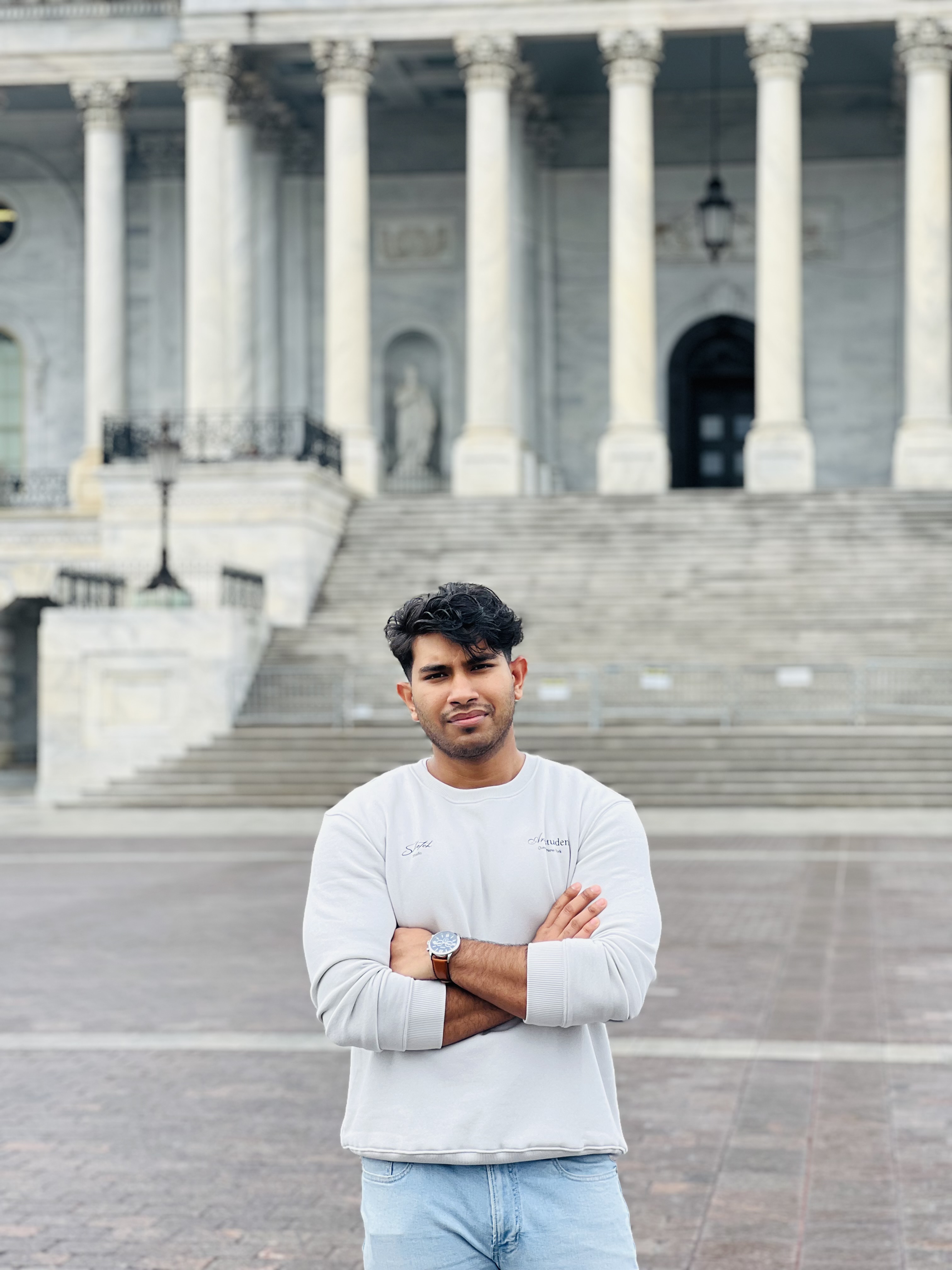 Made it — at the US Capitol. The visa stamp is just the beginning.
Phase 4 — The move
- Money: open a US bank account fast; get a credit card (secured if needed) to start a credit history from day one — it compounds.
- Housing: first semester, take the easy option (dorm or a room via a senior). Optimize later.
- Community: the Bangladeshi Student Association (BSA) at your school is your fastest soft landing — furniture, rides from the airport, course advice, the works.
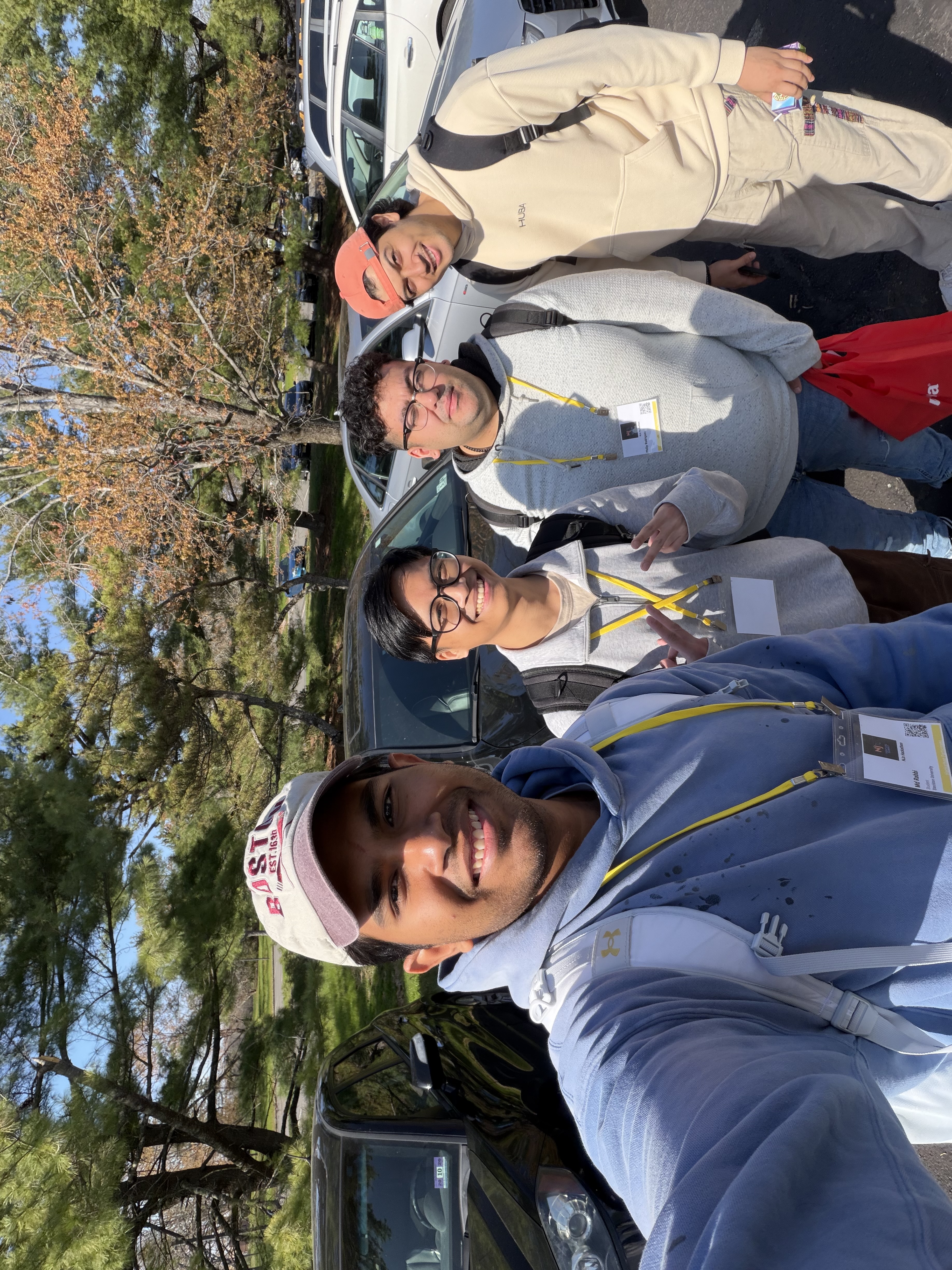 The friend group you build early carries you through everything else.
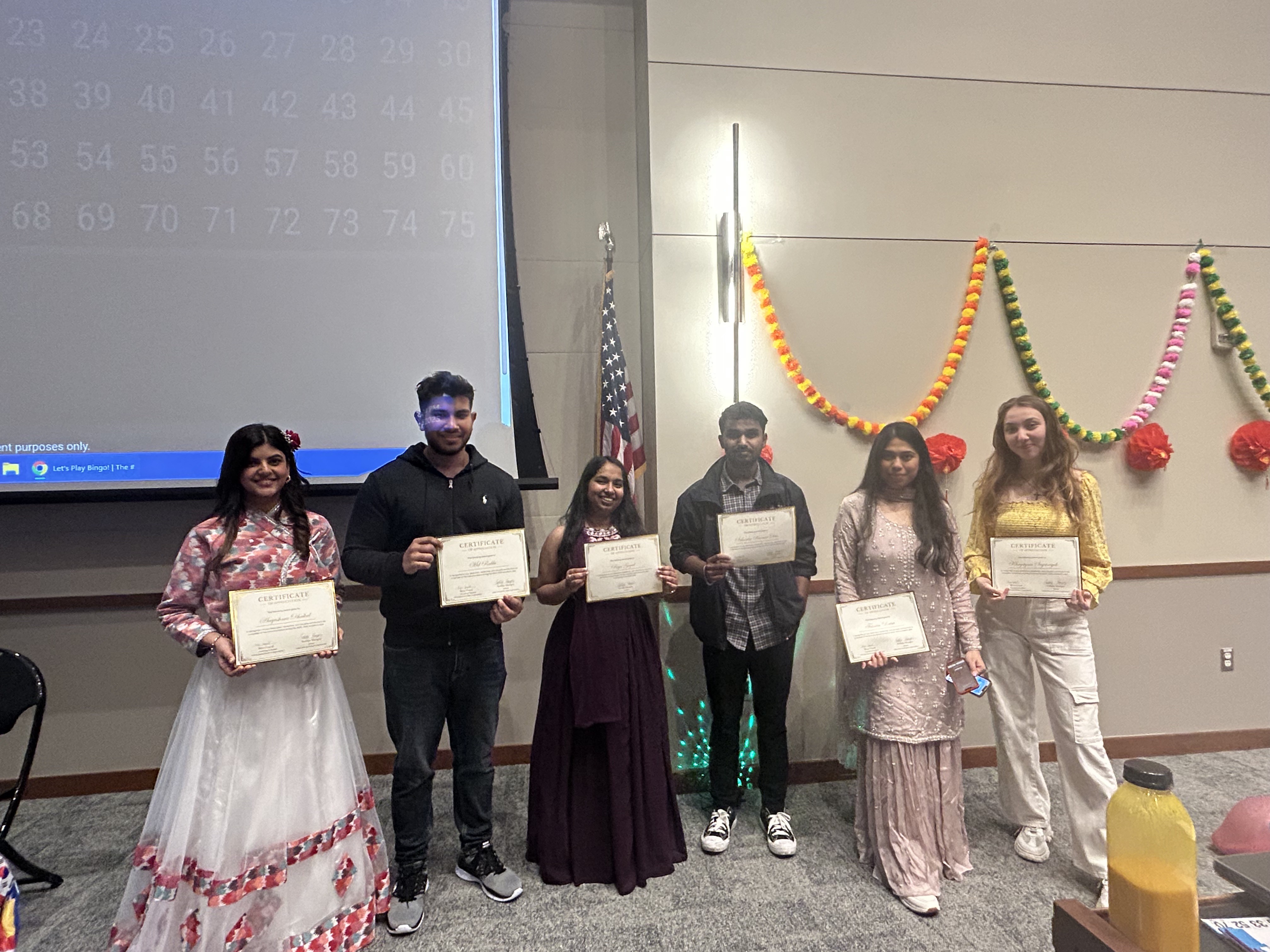 Cultural nights keep home close while you build a life here.
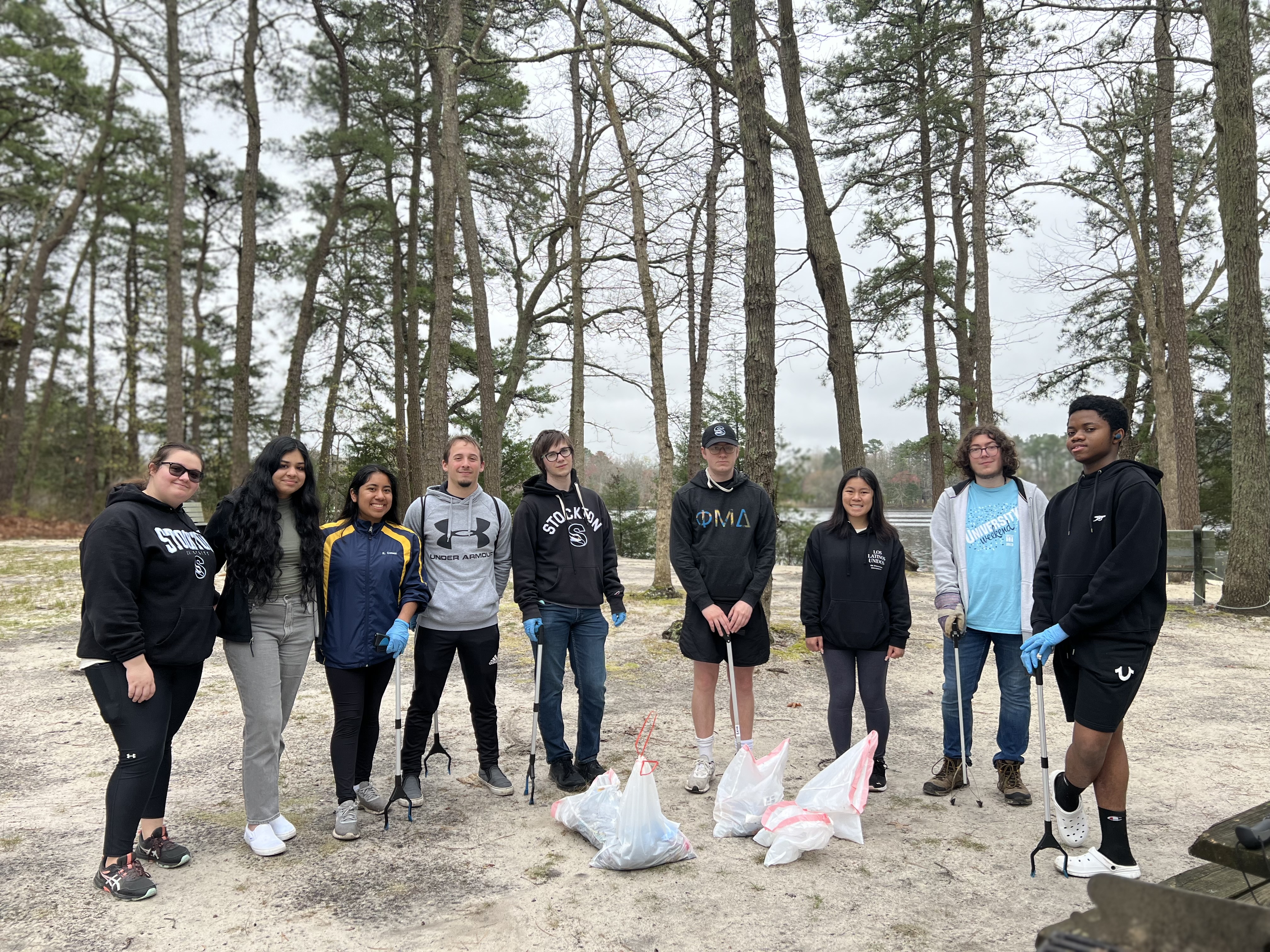 Getting involved on campus — the fastest way to belong somewhere new.
Phase 5 — Building the runway
Campus life is also career prep. The clock on work authorization starts the day you arrive:
- Understand CPT and OPT before you need them, not the semester you do.
- If you're technical, the campus years are when you build the software and AI engineering foundation that makes you hireable.
- Some students end up building companies — that path runs through raising seed money and has its own visa complications.
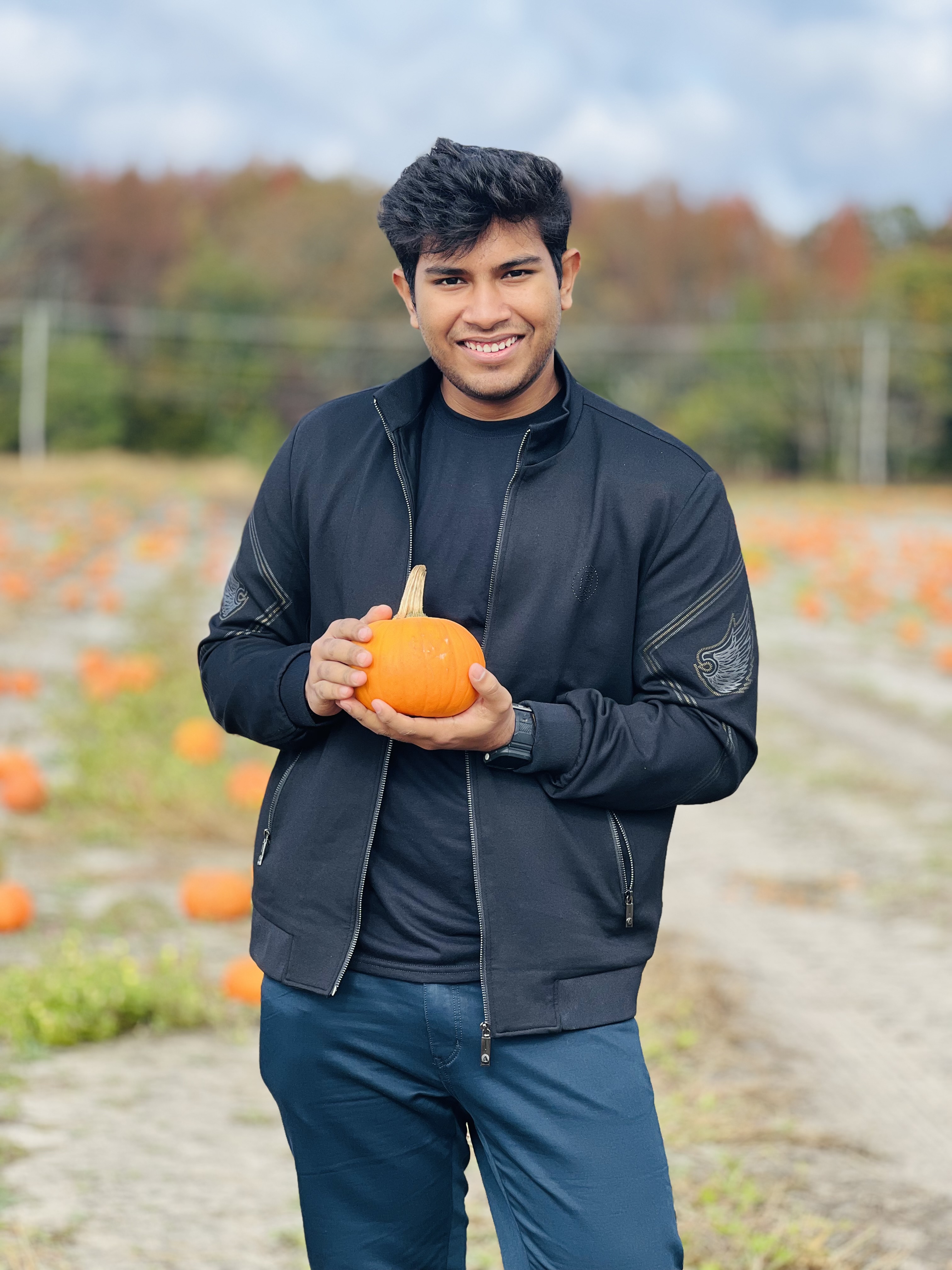 The small American firsts — a fall pumpkin patch — matter more than you'd expect.
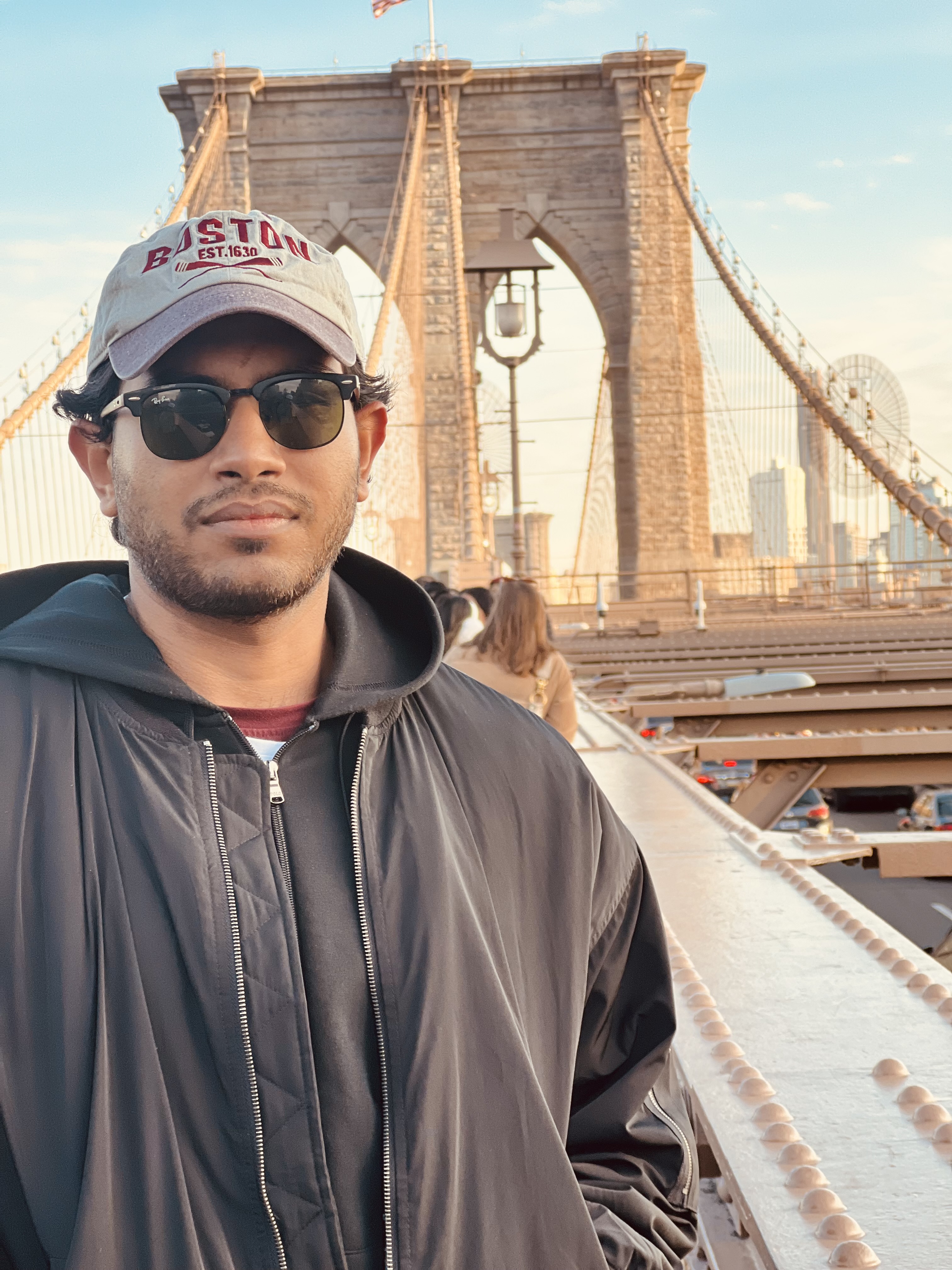 Weekends exploring the country you moved to. This is the payoff, not a distraction.
The one thing I'd tell my younger self
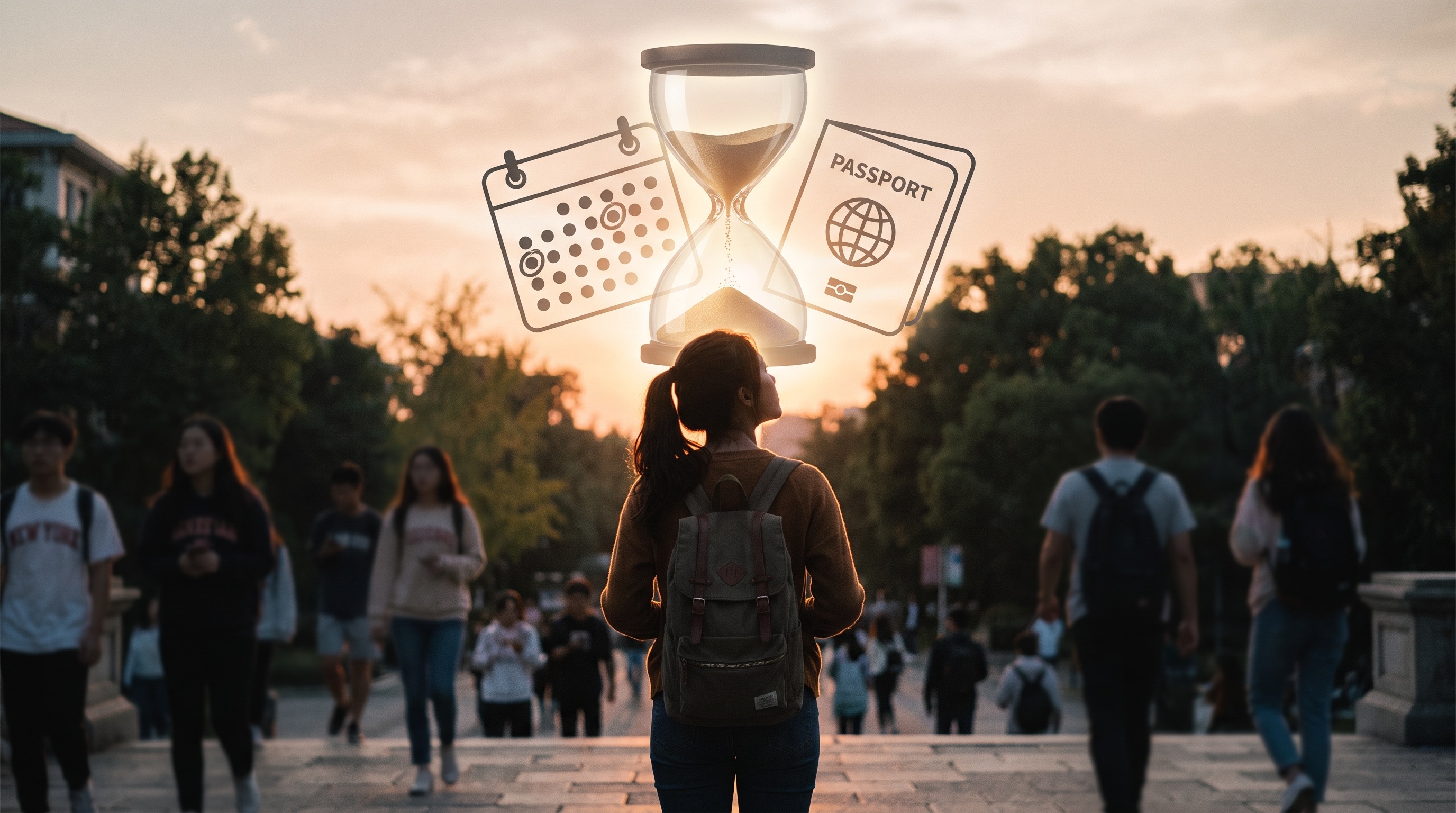
Treat this as a system with dependencies, not a to-do list. A late transcript delays the I-20, which delays the visa slot, which can cost you a whole intake. Work backward from the program start date and give every step a buffer. The students who struggle aren't the ones who lack talent — they're the ones who discover a deadline a week too late.
Related: F1 Student Journey · Opt Cpt Application · Software Engineering · Ai Engineering · Seed Funding