The F-1 Student Journey — Visa to Grace Period
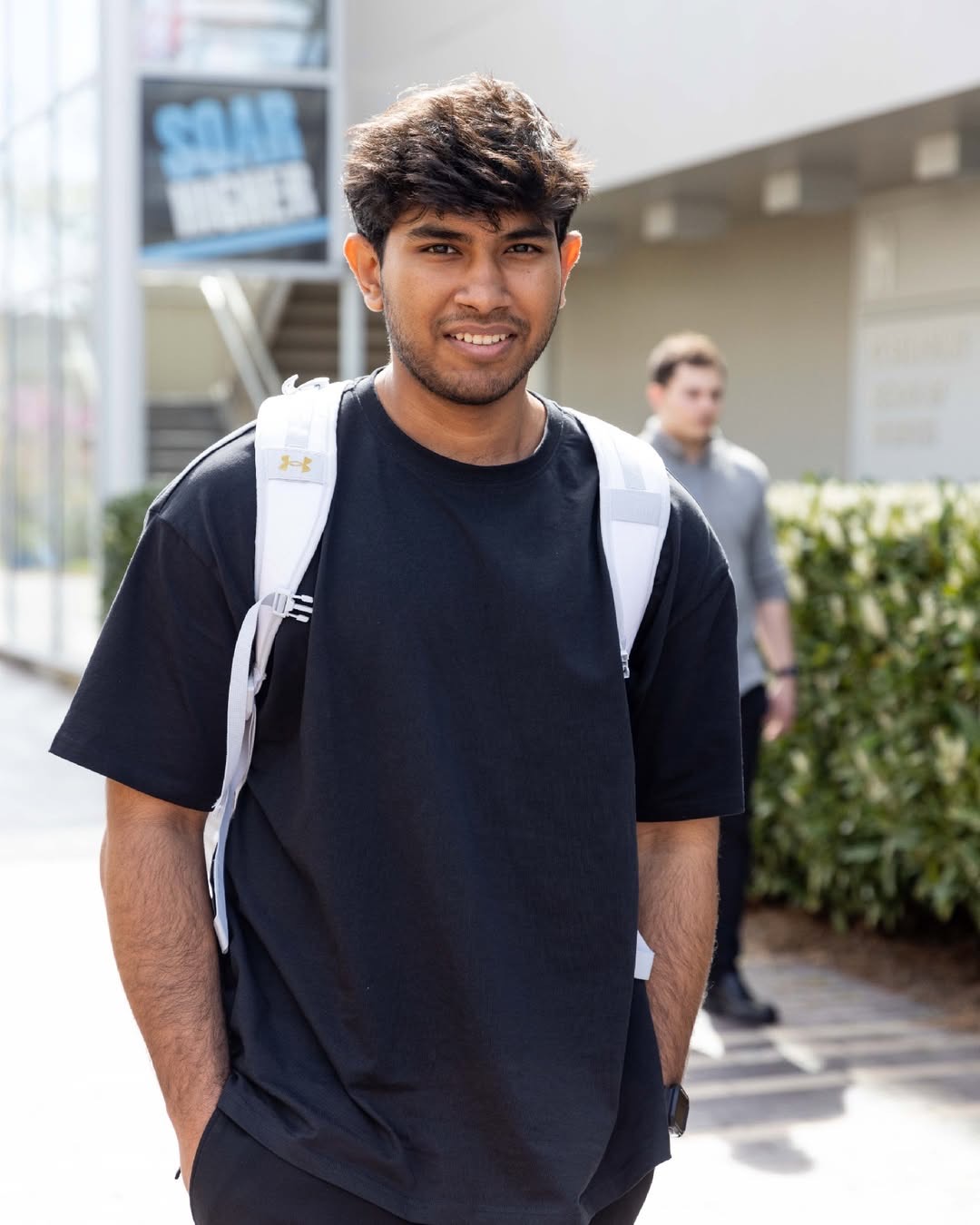 On campus, on status. "Soar higher" — but only while your SEVIS record stays clean.
The F-1 is the visa that lets you study full-time in the US. It sounds like one stamp in a passport, but it's really a status you have to keep valid for years. Lose the status and everything downstream — work authorization, H-1B, even staying in the country — collapses. Here's the lifecycle.
⚠️ Immigration rules change and details vary by consulate and school. Everything here is the shape of the process, not legal advice. Your DSO (Designated School Official) and the official USCIS / study-in-the-states sites are the source of truth.
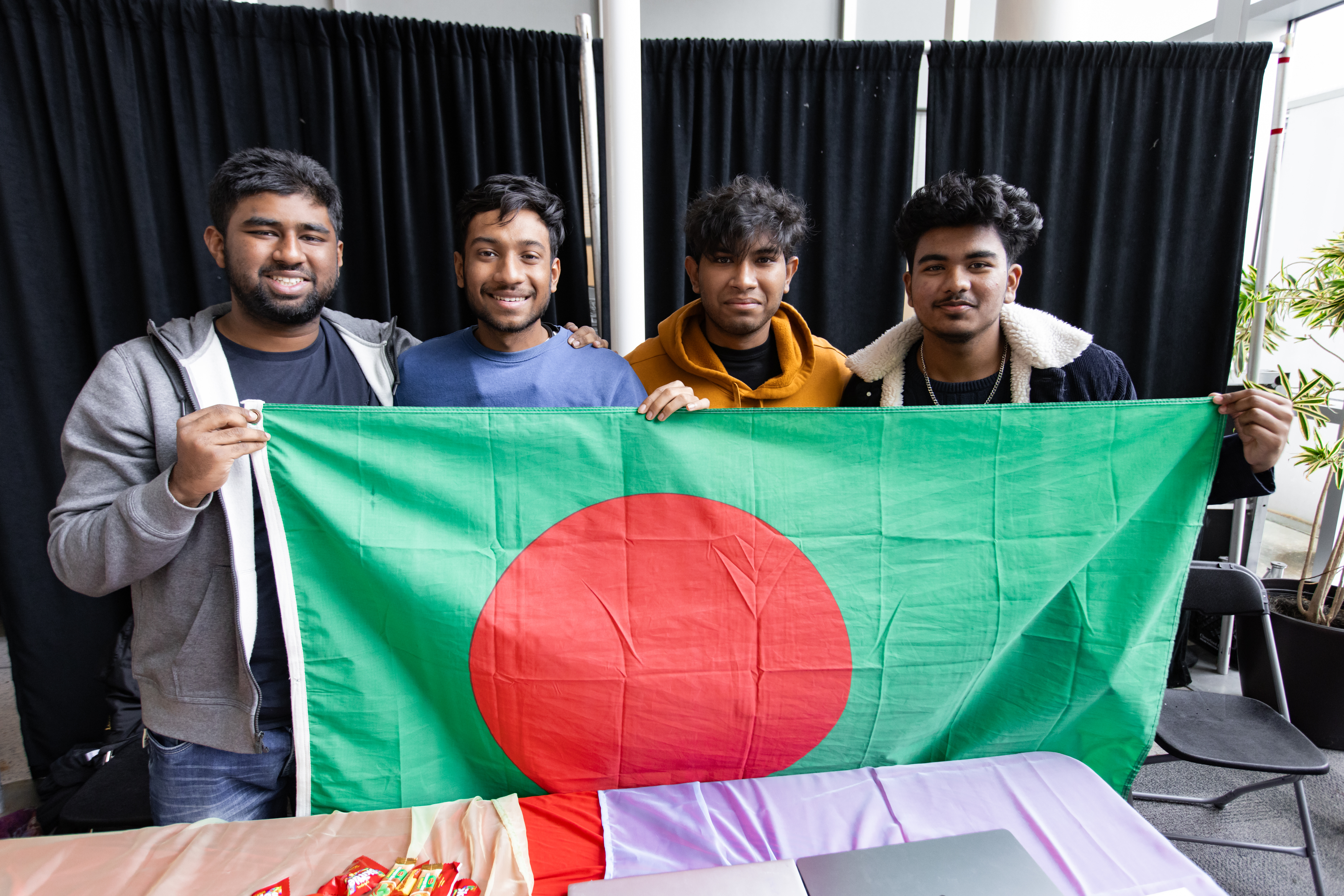
Getting the visa (from Bangladesh)
- I-20 — your school issues this after you accept the admit and prove you can fund the first year. Check every field; errors here haunt you later.
- SEVIS I-901 fee — pay it online (currently $350). Keep the receipt.
- DS-160 — the online visa application. You'll get a confirmation barcode.
- Book the interview at the US Embassy in Dhaka. Pay the MRV visa fee.
- The interview — this is short (2–3 minutes) and the officer is really deciding two things: are you a genuine student, and do you have ties/funds. Answer crisply, know your program and how you're paying for it, and don't over-explain.
Entering and staying valid
- You may enter the US up to 30 days before your program start date — not earlier.
- Once here, the rules that keep F-1 valid:
- Full course load every fall/spring (grad and undergrad minimums differ).
- No unauthorized work. On-campus work is allowed (≤20 hrs/week in session). Off-campus work requires CPT or OPT authorization — no exceptions.
- Keep your I-20 signed and your passport valid; report address changes.
- Don't drop below full-time without prior DSO approval (RCL — Reduced Course Load).
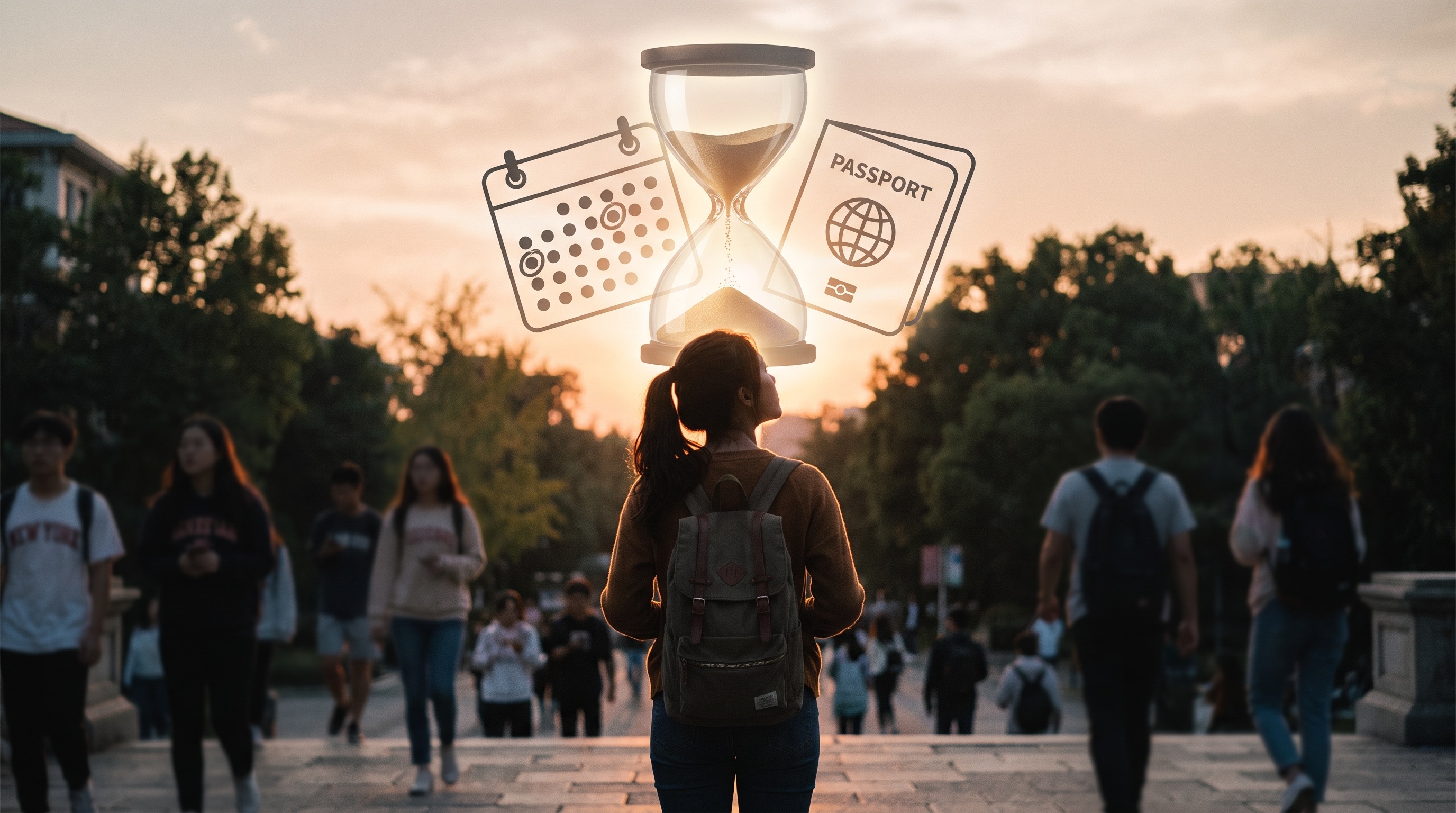
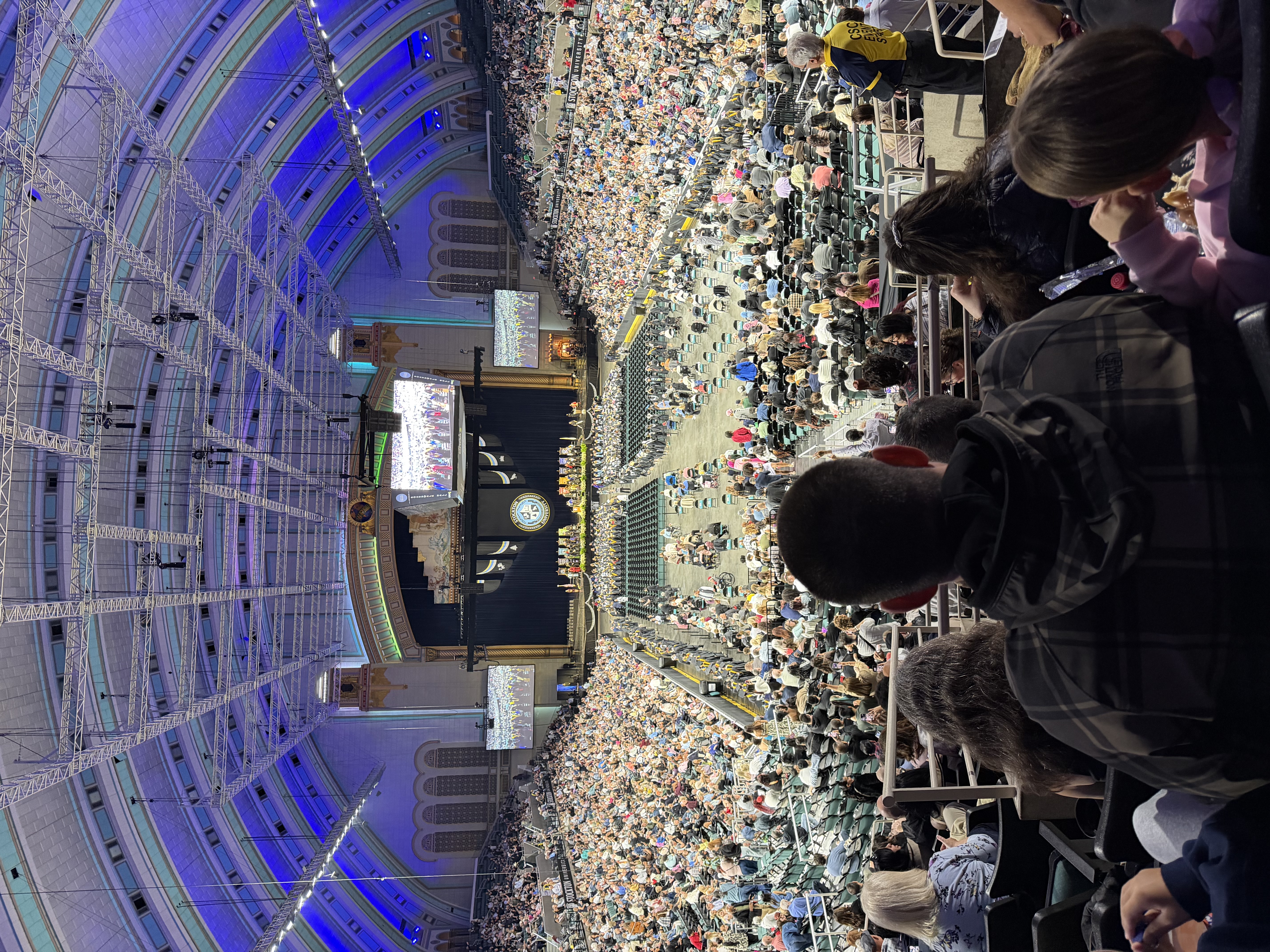 Graduation starts the clock: 60 days, and the next step has to be lined up already.
The grace period (and why it matters)
After you finish your program (or your OPT ends), you get a 60-day grace period to: leave the US, transfer to another program, or change status. Miss it and you fall out of status — which can bar re-entry. The 60 days is generous but final; plan the next step before it starts.
The mental model
Think of F-1 as a valid status you renew through behavior, not a one-time approval. The visa stamp only lets you enter; the I-20 + SEVIS record is what lets you stay. Every work decision, course-load change, and travel plan should pass one filter: does this keep my SEVIS record active and clean?
Common ways students hurt themselves
- Working off-campus (even remote, even for a Bangladeshi company) without authorization.
- Dropping a class to below full-time without DSO sign-off.
- Letting the I-20 travel signature expire before an international trip.
- Assuming OPT is automatic — it requires a filed application months ahead.
Related: International Student Journey Bangladesh To Usa · Opt Cpt Application